Open to security & automation roles
CompTIA Security+ Certified · View Credly Badge
B.S. Computer Science – Cybersecurity, LSU (2026)

I design security labs and automation that turn logs into signal.

IT Support · Security Operations · Workflow Automation

I’m Tyler Jackson, a cybersecurity student and Security+ certified practitioner who learns by building real security environments — Azure honeypots, SIEM dashboards, breach analysis pipelines, and automated reporting systems that give organizations clarity, not noise.

Security operations: honeypots, Windows log analysis, Azure Sentinel dashboards, and KQL queries that highlight real attacker behavior.
Detection & response: simulate brute-force, SQLi, and other attacks, then translate them into detections and visualizations for SOC teams.
Automation: SQL + scripting + low-code tools to remove manual data entry, standardize reporting, and improve audit readiness.
Interested in: Security operations, detection engineering, and security automation internships
Experience
IT Support Intern · Window World
Security-focused IT Operations
  • Monitor email logs to identify phishing, spam, and early-stage malware activity, escalating suspicious patterns and helping keep users safe.
  • Wrote SQL scripts to automate internal workflows (went paperless) using Zapier, improving data quality for reporting.
  • Used ad-hoc Excel queries to support security reporting, internal system audits, and data validation work.
Student Computer Technician · LSU Residential Life
Frontline Support & Documentation
  • Provided remote and on-site support for hardware, software, and networking issues through tickets, phone, and email.
  • Contributed to policy, procedure, and technical documentation so issues could be resolved faster and more consistently.
Security & Automation Projects
Azure Honeypot Lab with DVWA, Logging & IDS
Cloud Honeypot · Detection Engineering  
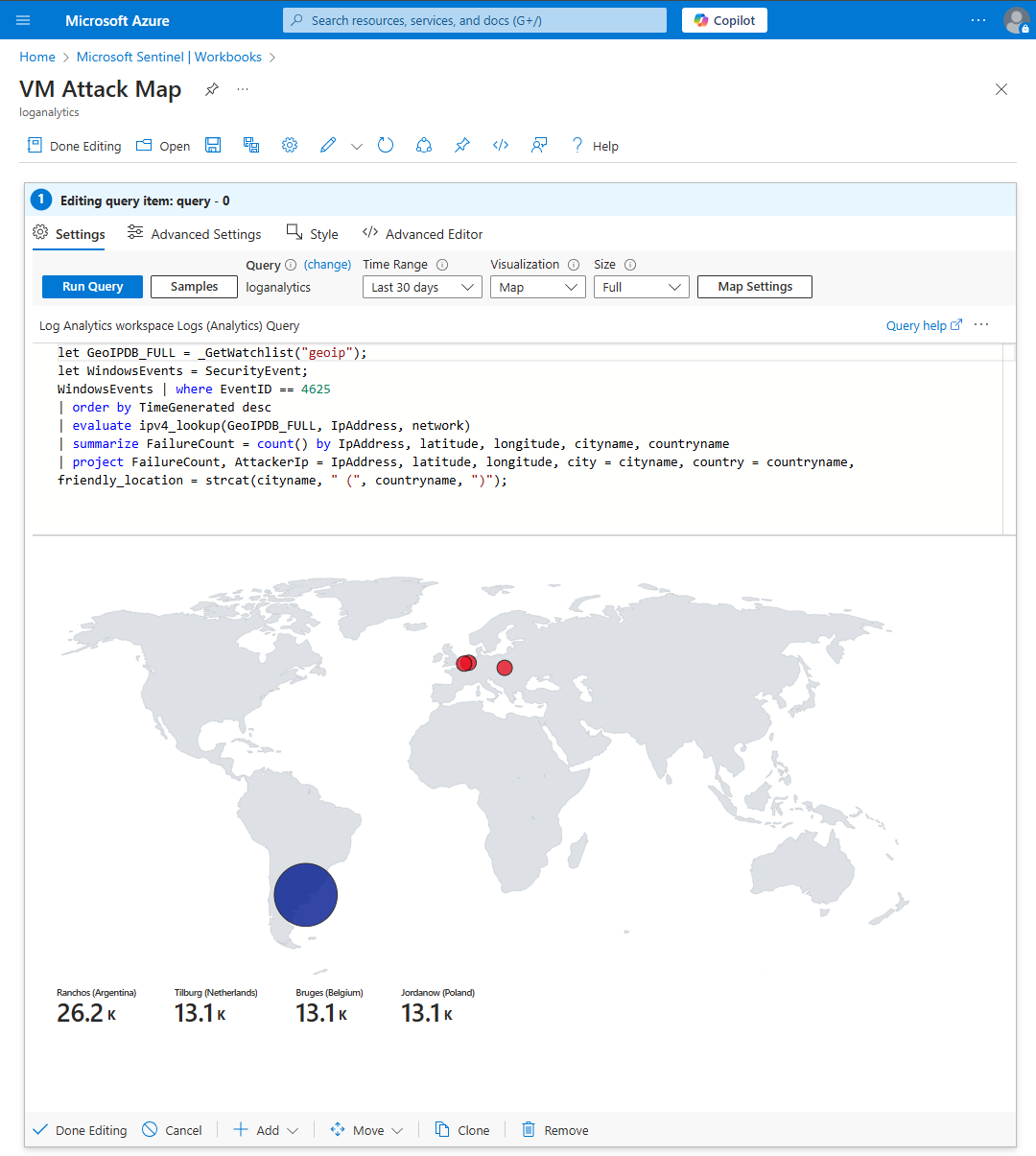
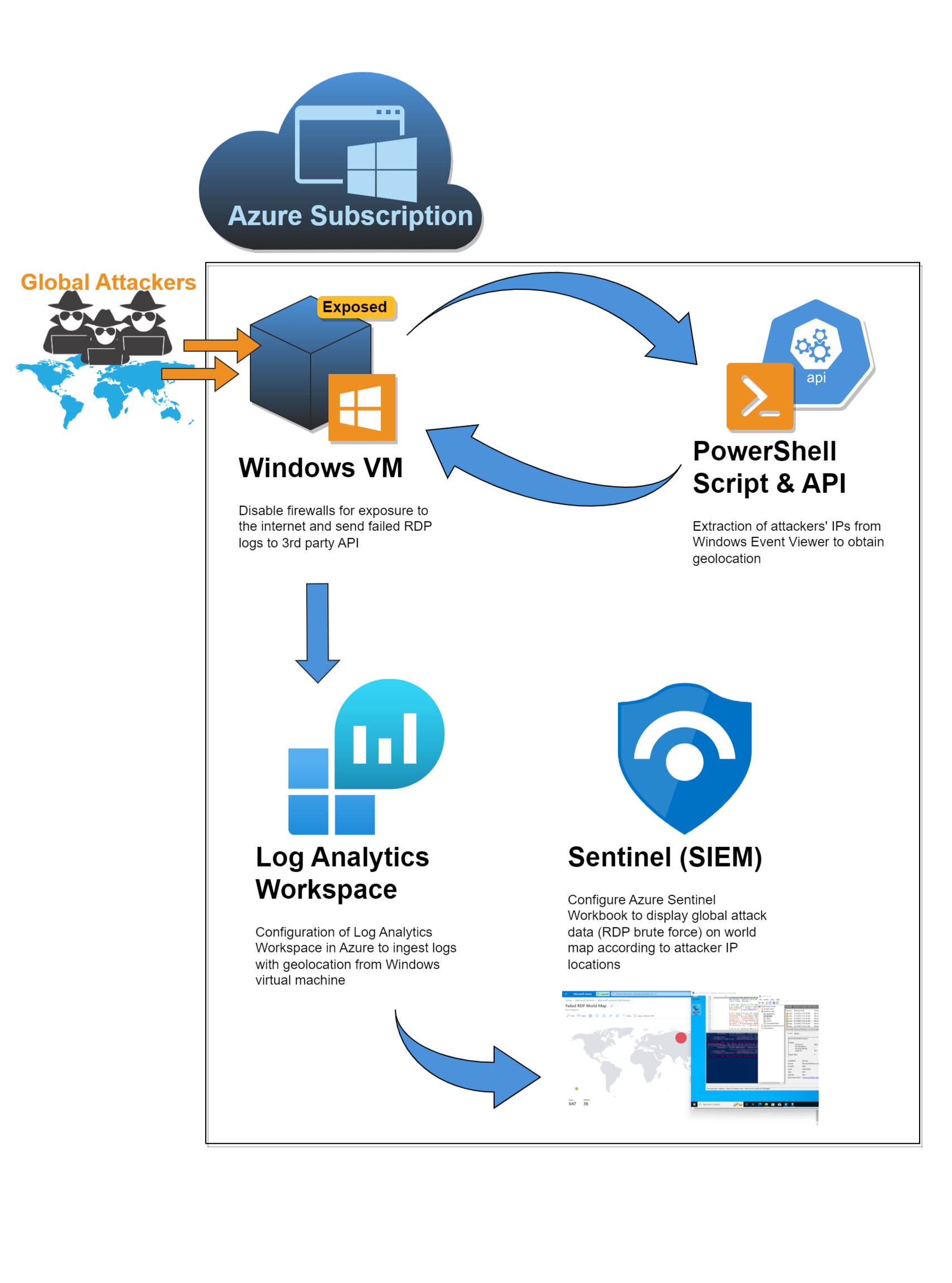
Azure Sentinel SIEM lab dashboard
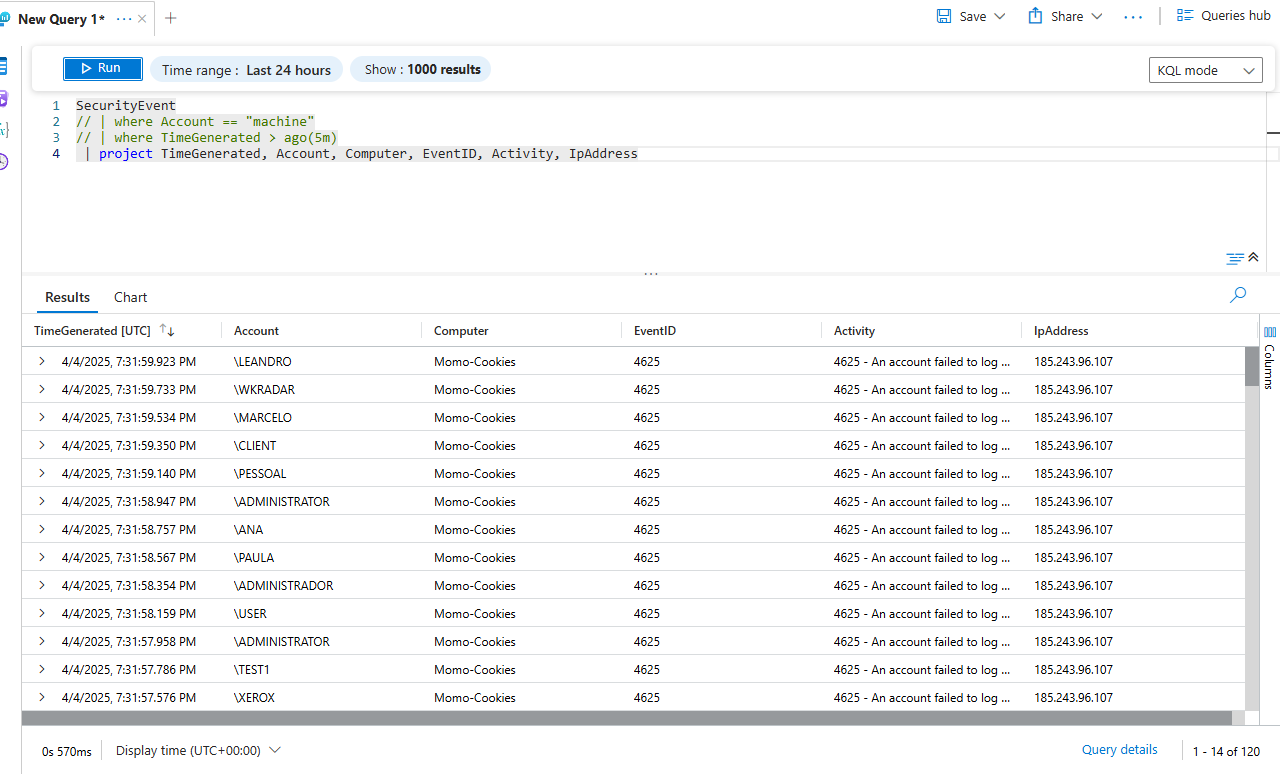
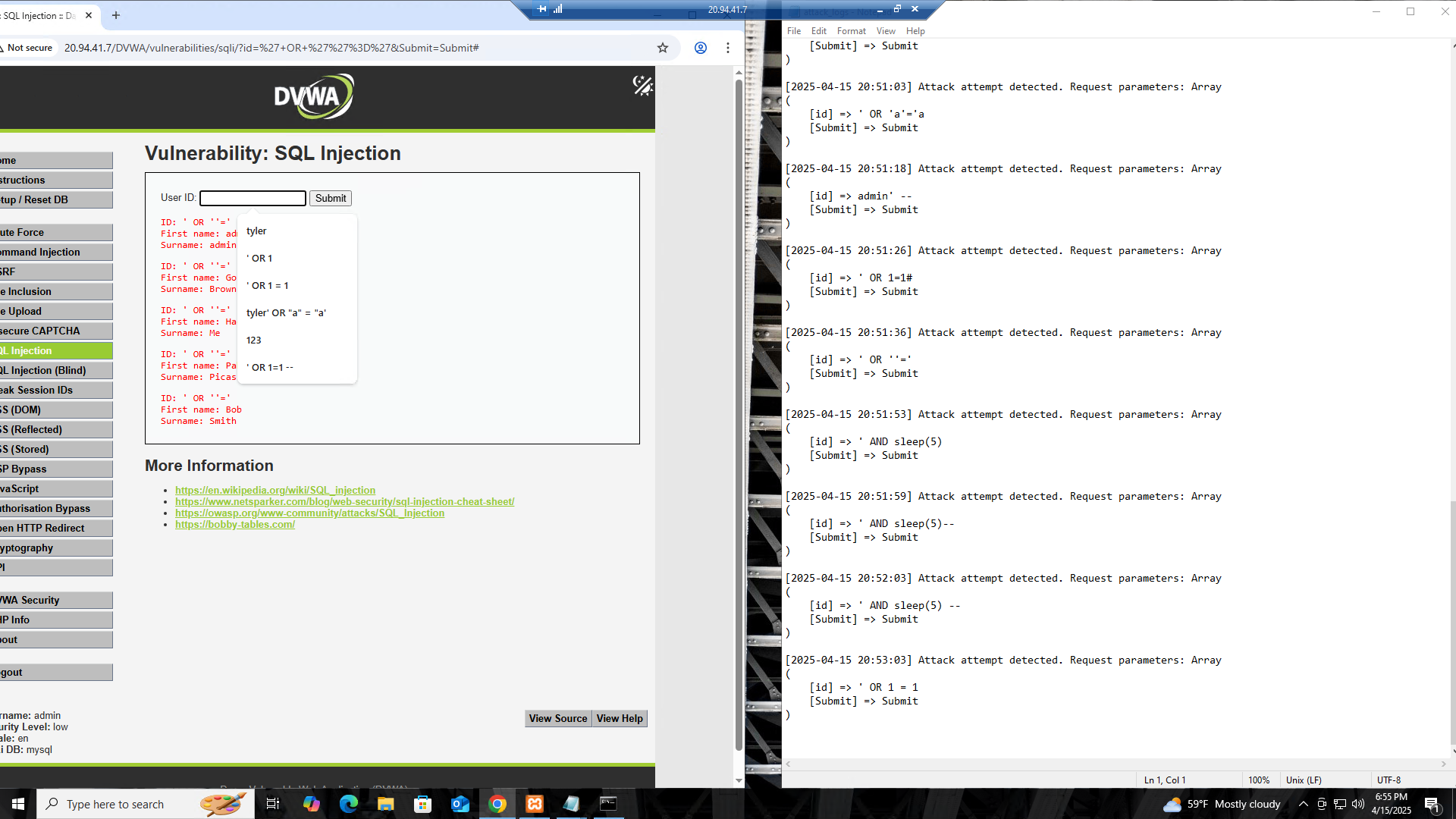
Attack map visualizing honeypot traffic First attacker events from honeypot logs SQL-related logs from DVWA honeypot traffic

Built a vulnerable Windows 10 honeypot in Azure running DVWA, wired into Azure Network Security Groups, Log Analytics, and Microsoft Sentinel to simulate and study real attacks such as brute-force logins and SQL injection.

  • Forwarded Windows Security logs into Sentinel and wrote KQL queries to detect Event ID 4625 brute-force attempts and other suspicious patterns.
  • Enriched attacker IPs with geo-IP data using a Sentinel watchlist and ipv4_lookup(), then visualized activity in a custom attack map workbook.
  • Captured SQL injection attempts against DVWA and correlated them with host events and lightweight IDS alerts to practice investigation workflows.
Azure · Windows 10 · DVWA · Log Analytics · Microsoft Sentinel · KQL · Watchlists · IDS
Data Breach Risk Analysis
Risk & Compliance  
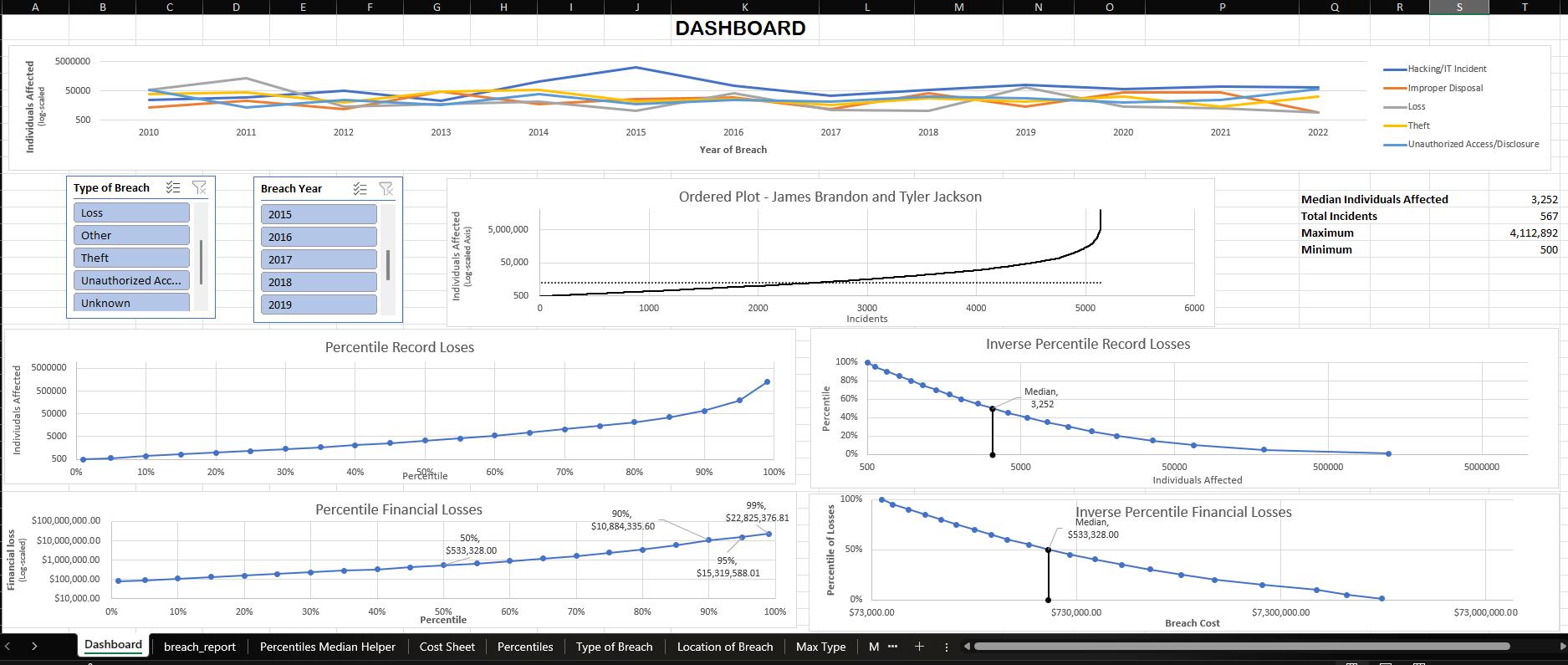
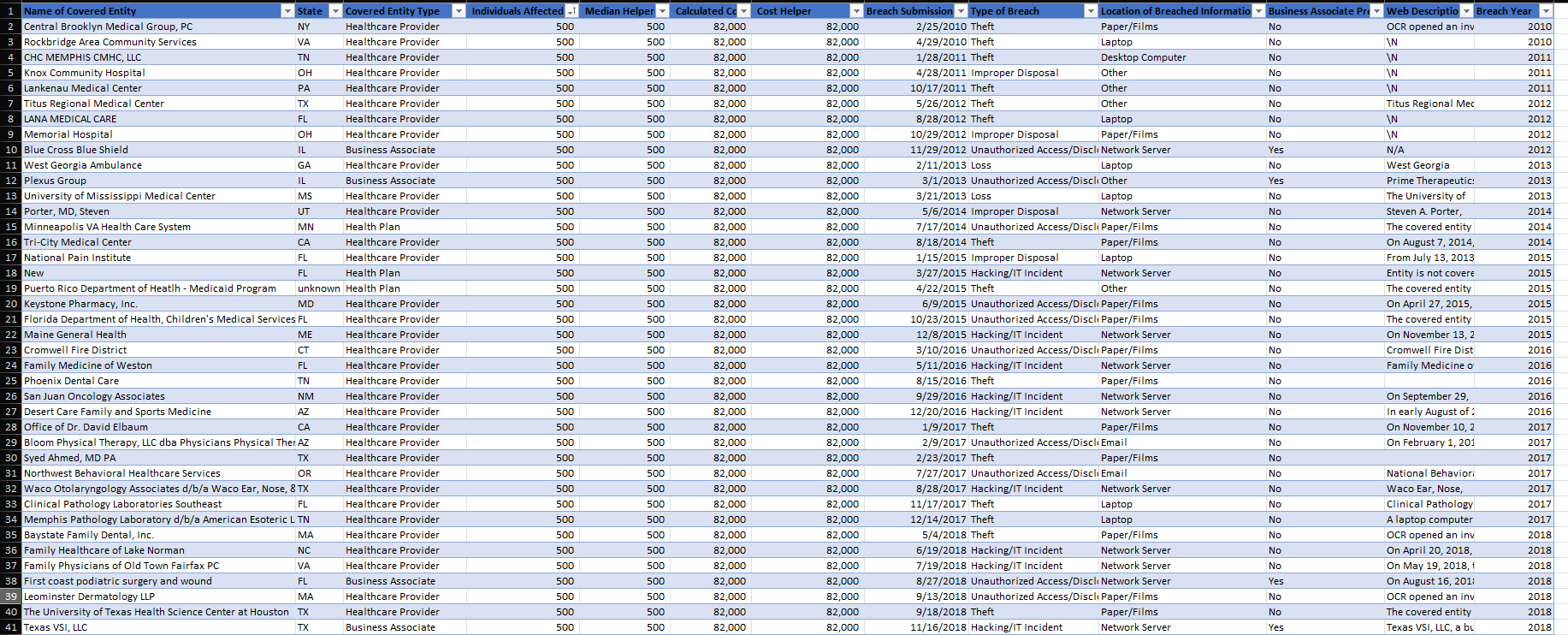
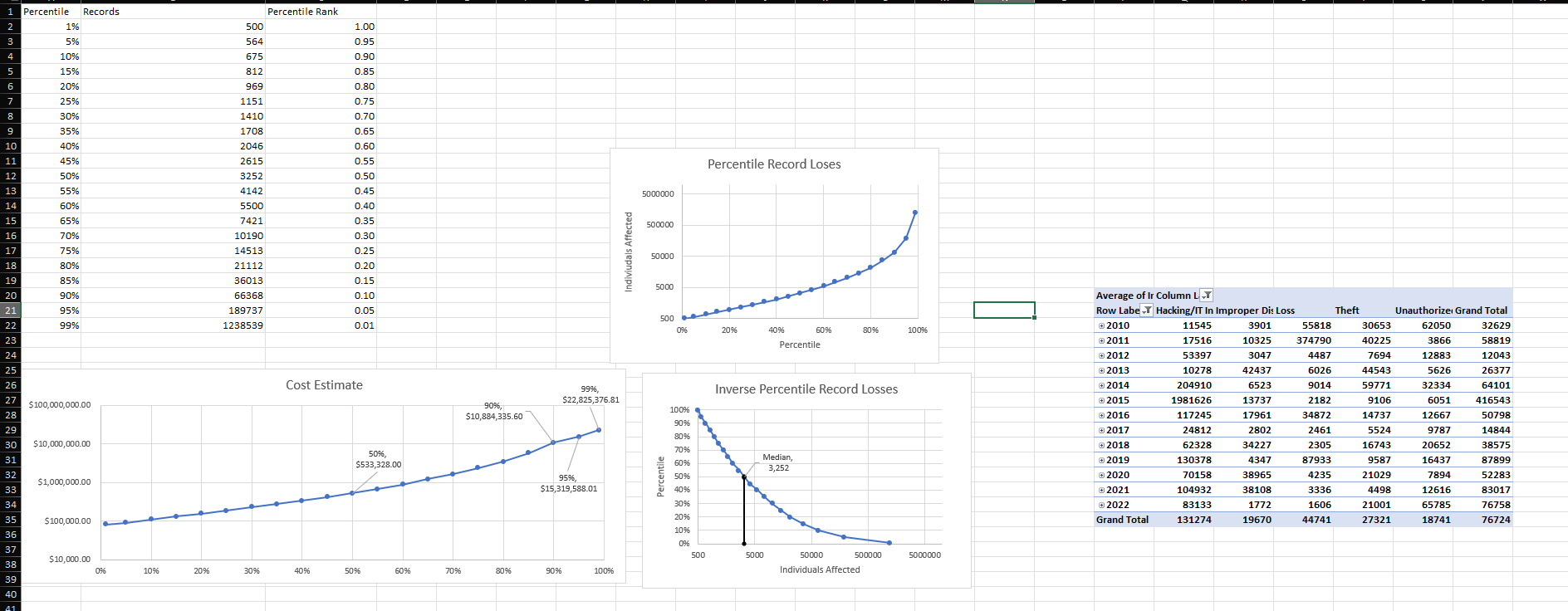
Excel dashboard summarizing breach risk
Breach report visualization Median breach metrics chart

Performed a full NIST 800-30 risk assessment using HHS breach data to understand real-world healthcare security incidents and communicate risk to non-technical stakeholders.

  • Analyzed breach data to identify common threat patterns, impacted assets, and control weaknesses.
  • Built Excel dashboards and executive-style summaries that surface exposure, likelihood, and impact in a way leadership can act on.
NIST 800-30 · HHS Breach Data · Excel · Risk Analysis · Reporting
Service Reporting Workflow Automation
Security Operations Automation  

Designed an end-to-end service reporting pipeline (Google Forms → Sheets → Zapier → SQL → VBA) that eliminates manual entry, standardizes fields, and strengthens audit readiness.

  • Automatically ingests and normalizes inputs from forms to a structured SQL backend, reducing human data-entry errors.
  • Enforces standardized data formats so reports and internal audits can rely on consistent, queryable records.
  • Produces near real-time documentation and validation that security and operations teams can trust.
Google Workspace · Zapier · SQL · VBA · Excel · Process Automation
Memory Card JPEG Recovery Utility
Forensics-inspired C Project  

Wrote a C program that scans a raw memory card image, identifies JPEG signatures, and reconstructs deleted photos into separate files — similar to a basic file-carving tool.

  • Iterates over raw binary data, detects JPEG headers, and reconstructs images with proper naming.
  • Demonstrates understanding of low-level file structures and how forensic tools recover artifacts.
C · File I/O · Data Recovery Concepts